Healthcare organizations experience more than operational problems when they fail to answer calls because these incidents damage patient trust in their providers and their access to medical care and their complete healthcare experience.
The clinic receives patient calls because they want to discuss their upcoming treatment plans and they need help with their current pain and anxiety symptoms. People lose their trust in others when their phone calls receive no response.
Healthcare providers who handle phone calls with care will either create patient distrust at first contact or build trust through their initial phone interaction.
Medical call center service providers play a critical role in ensuring every patient call is answered promptly, handled professionally, and managed with care, regardless of call volume or time of day.
Why Patient Experience Starts with the First Call
The patient experience starts when they first contact the clinic through phone calls before they meet with their healthcare provider. The first interaction sets expectations for the entire care journey.
When calls go unanswered or are rushed:
- Patients feel ignored or undervalued
- Anxiety increases, especially for urgent concerns
- Patients look elsewhere for care
A professional medical call center deliver calls in a calm and reassuring manner through their method of delivering exact follow-up instructions with consistency. The process creates patient confidence while it decreases their stress levels and provides them with essential support which starts before their medical treatment.
Well-handled calls create an immediate perception of professionalism and reliability. The length of time patients spend with their healthcare providers determines their medical care experience and their decision to stay with their current treatment plan.
The Real Cost of Missed Calls in Healthcare
Missed calls have a compounding effect on healthcare operations. They don’t just reduce bookings; they damage reputation and patient trust over time.
Common consequences include:
- Lost appointment revenue
- Negative online reviews mentioning poor communication
- Increased patient churn
- Front-desk burnout from call backlogs
In real healthcare operations, these losses often go unnoticed until patient volume and retention decline.
Medical call answering services eliminate these risks by ensuring every call is answered live, logged, and handled according to predefined protocols. This reliability is critical in environments where responsiveness directly affects patient outcomes and satisfaction.
How Medical Call Centers Reduce Missed Calls
Medical call centers are built specifically to manage high call volumes without sacrificing quality. They operate as an extension of your practice, not a replacement for it.
Key mechanisms include:
- Call overflow handling during peak hours
- After-hours and weekend coverage
- Real-time call routing and escalation
- Live message capture and delivery
With these systems in place, calls no longer roll to voicemail or go unanswered when staff are busy. Patients always reach a real person who can assist or guide them appropriately.
That responsiveness alone significantly improves patient confidence and prevents small communication gaps from turning into lost opportunities.
24/7 Availability: Why It Matters to Patients
Healthcare needs don’t follow business hours. Patients often call during evenings, nights, or weekends when symptoms worsen or questions arise.
A 24/7 medical answering service ensures:
- Immediate support during off-hours
- Reduced patient anxiety
- Faster response to urgent concerns
- Continuous accessibility
For patients, knowing they can reach someone at any time builds reassurance and loyalty. For providers, it prevents missed opportunities and ensures continuity of communication. Knowing help is always available reduces patient stress.
Improving Patient Experience Through Professional Call Handling
Medical call center agents receive training to perform all sensitive customer interactions through their skilled and appropriate conduct. The staff members perform duties that extend beyond phone reception because they assist patients through peaceful and straightforward guidance.
They focus on:
- Active listening
- Clear communication
- Empathy and reassurance
- Accurate information delivery
Consistent call quality also removes variability caused by busy front desks or staff shortages. Patients receive the same level of care and attention every time they call, which builds familiarity, comfort, and long-term trust in the healthcare provider.
Medical Answering Services vs In-House Call Handling
Many healthcare organizations rely solely on in-house staff to manage calls, but this model has limitations.
In-house challenges include:
- Staff juggling multiple responsibilities
- Calls missed during patient interactions
- Limited after-hours coverage
- Inconsistent call handling
By contrast, medical answering services provide dedicated resources whose sole focus is communication. This separation allows clinical and administrative staff to focus on patient care while ensuring no call goes unanswered.
The Role of Medical Call Centers in Care Continuity
Consistent communication supports better care outcomes. When patients can easily reach a provider’s office, they are more likely to:
- Follow care instructions
- Keep appointments
- Ask questions before issues escalate
Medical call centers maintain message documentation while they perform correct routing and fast delivery of all messages. The ongoing relationship between patients and providers helps to minimize communication errors which leads to better maintenance of their healthcare bond.
Seamless communication helps patients build stronger, long-term relationships with their healthcare providers.
Supporting Growth with Scalable Call Center Support
As healthcare organizations grow, call volumes increase. Scaling internal staff to match demand is costly and slow.
Medical call centers offer:
- Flexible coverage during high-demand periods
- Rapid scalability without hiring delays
- Predictable service levels
The scalability enables business growth because it manages rising workloads without impacting either patient care excellence or operational efficiency.
Medical call centers maintain high service quality standards when organizations expand because this enables healthcare businesses to expand their operations with confidence that patient satisfaction and response times will stay unchanged.
How Medical Call Centers Complement Healthcare Call Centers
While healthcare call center services often focus on administrative and business-related communication, medical call centers handle patient-facing interactions closer to care delivery.
Together, they create a balanced communication ecosystem:
- Healthcare call centers manage scheduling and general inquiries
- Medical call centers manage patient communication and urgent concerns
This layered approach ensures every call is handled by the right resource at the right time.
This division of responsibility creates efficiency. Each call is handled by the most appropriate team, reducing delays and confusion while ensuring patients and customers receive the right level of support at every touchpoint.
Compliance, Privacy & Patient Confidence
Patients trust healthcare providers with sensitive information. Medical call centers operate under strict standards to protect that trust.
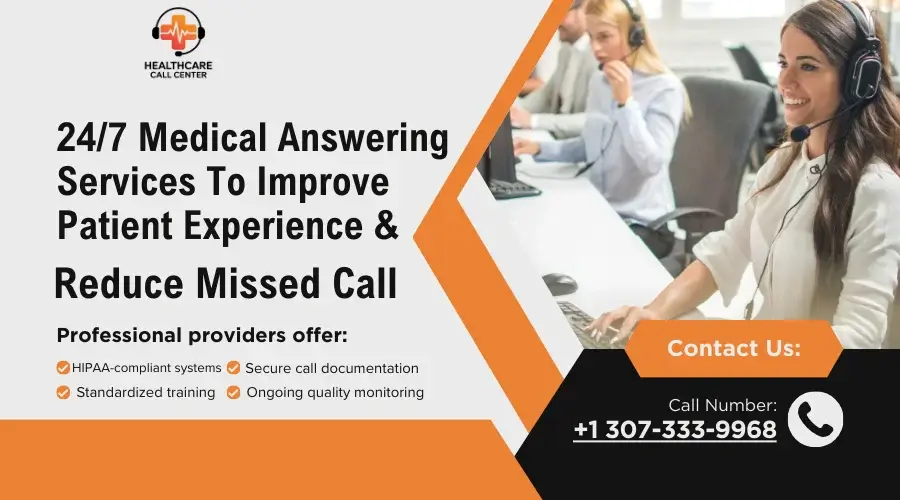
Professional providers offer:
- HIPAA-compliant systems
- Secure call documentation
- Standardized training
- Ongoing quality monitoring
These safeguards reassure patients that their information is handled responsibly from the first interaction.
Patients are more willing to share information when they feel secure.
How Medical Call Centers Support Front Desk Staff
Front desk teams are often the most overloaded part of any healthcare organization. The staff members need to perform five tasks which include welcoming patients and handling documents and scheduling management and phone reception duties. The practice of doing multiple tasks at once creates conditions which lead to worker fatigue and increases the chances of making mistakes and failing to answer phone calls.
Medical call centers operate independently to handle all incoming patient communications which reduces the workload on healthcare organizations. The front desk staff maintains complete focus on patients who are currently at the facility because other locations handle all phone calls. Well-trained agents handle patient calls efficiently, helping front desk teams stay focused and organized.
The organization supports its employees through its system which leads to better employee morale and lower employee departure rates. Employees are no longer forced to choose between helping a patient in front of them and answering a ringing phone.
Final Conclusion: Better Calls Create Better Care Experiences
Healthcare providers who listen to their patients form the base which enables positive patient experiences. Medical call center solutions deliver complete attention to all incoming calls while providing suitable care and support to patients.
Medical answering services build patient trust through their professional and compassionate communication which also helps doctors answer calls effectively to deliver improved medical results. Healthcare organizations which focus on accessibility and reliability and patient satisfaction need professional call center support as their fundamental requirement.
Reliable call handling strengthens patient trust, improves access to care, and supports better healthcare experiences from the first call onward.