by Erika Sanchez | May 25, 2026 | Dental Lead Management
New patient inquiries are the primary focus of most dental practices. To attract more patients, clinics invest heavily in SEO, Google Ads, social media marketing, referral campaigns, website optimization, and local marketing strategies designed to increase visibility and generate more appointment inquiries.
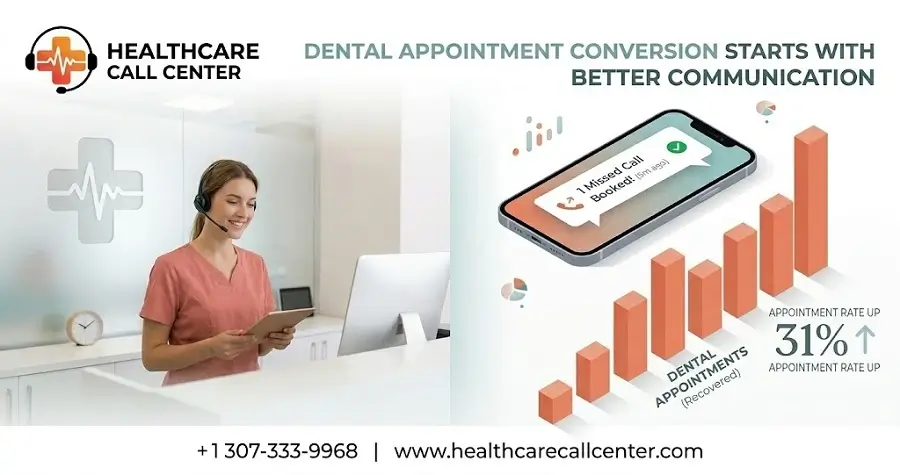
However, many practices still overlook what happens after the phone rings. Delayed callbacks, missed calls, weak follow-up, and inconsistent communication often cause patients to leave before an appointment is ever scheduled.
The loss of new patients, high-value procedures, long-term patient retention, and opportunities for referrals and revenue occurs during that gap, often without practice owners being aware of them occurring at all.
Why Dental Clinics Lose Patients Before Appointments
Dental clinics often lose patients before appointments because of missed calls, delayed callbacks, weak follow-up systems, poor communication, and slow response times during the inquiry stage.
The Hidden Gap Between Inquiry and Booking
Many dental clinics think that if a potential patient calls their office, they’ve completed the most difficult task. However, without a reliable call center for dental clinics, many inquiries are still lost before they turn into scheduled appointments. In fact, after patients inquire about dental services is one of the highest times for patients to drop from your inquiry to schedule process.
Patients do not automatically move from inquiry to appointment.
Between the following emotions and operational elements of being a patient, there is a gap.
- Interest
- Trust
- Schedule
- Commitment
Why Dental Patients Hesitate Before Booking
Many people have dental anxiety.
They may feel:
- Degree of fear in relation to experiencing pain
- Embarrassment in relation to their dental problem
- Concerns about the cost
- Fear as a result of their previous dental experience
- Some uncertainty about their dental treatment needed.
Delayed Callbacks Lose Patients Faster Than Clinics Realize
Dental patient conversion is heavily dependent upon speed. Patients have grown accustomed to receiving responses quickly.
When a potential patient calls your office and they have waited for several hours or until the next day to receive a call back, trust begins to decline instantly.
This will be a common practice with respect to:
- Cosmetic Dentistry
- Emergency Dentistry
- Invisalign consultations
- Dental Implants
- Elective Procedures.
A delayed call back creates uncertainty for the potential patient.
Missed Calls Often Mean Lost Revenue
Many dental clinics do not appreciate how much each incoming phone call is worth.
Each missed call could represent:
- A potential new patient
- An inquiry about a cosmetic procedure
- An emergency appointment
- A long-term patient relationship
- Many thousands of dollars for future treatment
Patients do not wait around for a call back like they used to. They go to the next practice that they can get through to.
Busy offices miss a lot of calls because staff are doing:
- Scheduling patients
- Answering insurance questions
- Making scheduling changes
- Clinical coordination with dental staff
- General office administration
Many patient inquiries are lost because communication systems are inconsistent or overloaded.
When a patient calls you, and the call is not answered, it will almost always be a revenue loss to you without ever letting you know that it happened.
Poor Follow-Up Hurts Dental Conversion Rates
Many clinics have only one response, then nothing else happens. However, converting a patient often requires multiple follow-ups, as patients considering veneers, implants, or cosmetic dentistry may need time to commit.
And just because they aren’t ready to book at the time of inquiry doesn’t mean the lead is lost!
Unfortunately, many inquiries completely go by the wayside due to a lack of organized follow-up systems.
Patients may get distracted, feel uncertain or forget to call back and schedule an appointment, feel nervous again, or choose to go to another clinic after a few months.
Consistent and caring follow-ups keep patients engaged.
Good follow-up communication includes friendly reminders, scheduling assistance, answering remaining questions, and helping patients feel comfortable about the next step.
Finally, patients must know that follow-up does not constitute pressure; instead, it provides patient support.
Dental Patients Judge Clinics Before Visiting
Before patients even walk into a dental office, they have already started to form opinions about a clinic. The first phone call to the clinic sets expectations for the patients very quickly.
Patients observe:
- Tone of voice
- Wait times, friendliness, patience
- Professionalism/Organization, and clarity of communication
These types of things quickly establish a level of trust.
When a patient has a caring, organized conversation with the dental office staff, it is much easier for them to feel comfortable about proceeding with treatment.
On the other hand, if the patient experiences an interaction where they feel rushed and unorganized, they are left with feelings of doubt.
This is important because for many patients, there is emotional resistance to receiving dental care. Effective communication lessens the level of that resistance.
Why Human Communication Matters in Dental Practices
Emotional rather than transactional communication occurs during dentistry.
Patients do not make appointments based on a transactional basis; there are many patients who are feeling anxious, embarrassed, confused, and even overwhelmed.
If patients receive patient-centered communications, then they will feel like:
- Heard
- Comfortable
- Reassured
- Supported
- Less Nervous
Providing patients with emotional comfort increases the number of patients who will change from being anxious to converted to dental patients.
Patients respond more positively when communication feels:
- Warm
- Patient-centered
- Professional
- Understanding
- Genuine
This is also why dental call centers that are human-based continue to outperform fully automated systems at many dental practices.
Technology creates efficiencies, while human interaction builds trust.
The Inquiry-to-Appointment Gap Is Costing Clinics Revenue
While there are many marketing efforts aimed at leading patients into a practice, often they are not taken further once an inquiry is made; that creates a significant business challenge for a practice. For example, even though a marketing campaign may create:
- Website Traffic
- Phone Calls
- Online Forms
- Consultation Requests.
The opportunity to book a new patient may be lost due to the lack of a good communication system.
Thus, as a result of poor lead handling, practices can spend a lot of money on marketing and lose potential patients during the conversion process.
The majority of new patients’ revenue will be lost before they ever set foot in the office. Typically, the problem is not in lead generation. The problem is in lead handling.
How Dental Call Centers Improve Patient Conversion
A dental practice can close the gap between inquiry and appointment through a professional dental call center.
The typical call center provides support for front desk staff who are overwhelmed.
The call center provides support for:
- Live call answering
- Appointment scheduling
- Inquiry handling
- Follow-up communications
- Overflow calls
- After-hours support
- Patient reassurance
This creates a more responsive and consistent patient experience.
- Patients receive quicker acknowledgment of their inquiries.
- Patient inquiries receive a faster response.
- Scheduling appointments is made easier.
As a result of this smooth patient experience, the conversion rate of inquiries to appointments tends to increase.
After-Hours Communication Matters More Than Ever
There is significant contact from individuals with dental clinics outside the normal operating hours of the practice.
People do a lot of research about dentists at night, on weekends, after work, and/or during an emergency. If these inquiries are not answered, the clinic loses out on potential new patients.
Using after-hours communication support allows a dental practice to remain accessible while the office is closed.
Ultimately leading to:
- A better patient experiences
- More responsive to patients
- Greater patient trust
- Increased opportunity to make appointments
Patients appreciate being able to communicate with clinics when they are open or closed and receiving timely responses.
Why Empathy Improves Dental Appointment Scheduling
When patients have a positive emotional experience, they are more likely to book appointments with health care providers. Empathy reduces uncertainty and contributes to a good emotional experience for patients.
Examples of patients who might require reassurance include:
- A nervous patient needing reassurance about pain
- An embarrassed patient who has a dental problem needing patience from their provider
- A parent bringing in a child for treatment needs calming communication from their provider
All of these situations require the application of emotional intelligence. Patients respond more positively to human-like interactions than scripted ones.
This principle is particularly true of patients who are seeking treatment for:
- Cosmetic dentistry
- Oral surgery consultations
- Pediatric dentistry
- Emergency care for dentists
- Sedation dentistry
The quality of communication that the dental provider delivers will directly impact the success of booking an appointment.
The Best Dental Practices Treat Communication as Part of Patient Care
By understanding the importance of communicating with patients, dental clinics can dramatically improve their overall patient experience; this includes evaluating various factors like responsiveness, professionalism, friendliness, organization, communication skills, and many other critical components of the patient experience, before treatment commences.
Surprisingly, dental clinics that emphasize communication typically experience improved appointment conversion rates, increased patient satisfaction, enhanced online reviews, increased retention rates and increased referral growth.
Why Healthcare Call Center Support Makes a Difference
At HCC, communicating with patients goes beyond answering calls or texts.
When you engage a dental inquiry at HCC, we provide:
- Professional scheduling assistance
- Confident and compassionate care
- Prompt responses
- Availability 24 hours a day, 7 days a week
- US Agents
Patients who contact dental offices generally require both support with scheduling their appointment, but typically will also require reassurance.
Communication using a human-centered approach enhances the trust created between the patient and the provider during that first interaction.
FAQs About Dental Patient Conversion
Why do dental clinics lose patients before appointments?
Many clinics lose patients because of delayed callbacks, missed calls, poor follow-up, slow scheduling, and weak communication during the inquiry stage.
What is dental patient conversion?
Dental patient conversion refers to turning inquiries, calls, or consultation requests into scheduled and completed appointments.
Why are fast callbacks important for dental practices?
Fast callbacks improve patient trust, reduce hesitation, and prevent patients from contacting competing dental offices.
How does communication affect dental appointment scheduling?
Good communication helps patients feel comfortable, informed, and reassured, making them more likely to schedule appointments.
Why do patients hesitate before booking dental appointments?
Patients may feel anxious about pain, cost, embarrassment, treatment uncertainty, or past dental experiences.
What does a dental call center do?
A dental call center helps manage patient calls, appointment scheduling, follow-up communication, and after-hours support for dental practices.
How does follow-up improve dental patient conversion?
Follow-up helps keep interested patients engaged, answers remaining questions, and encourages scheduling decisions.
Why is empathy important in dental communication?
Empathy reduces anxiety, builds trust, and helps patients feel more comfortable discussing dental concerns.
Communication Directly Impacts Dental Practice Growth
Strong communication systems help dental clinics improve patient trust, increase appointment conversion rates, reduce missed opportunities, and create more consistent patient experiences from the very first inquiry.
Schedule An Appointment!
Conclusion
Attraction of new patient inquiries is typically the primary focus for many dental practices. Unfortunately, many practices lose patients before they ever have an appointment. Missed calls, delayed call-backs, poor follow-ups and rushed communication consistently contribute to reducing conversion rates on a daily basis.
In today’s dental practice, the quality of communication has a direct impact on generating revenue growth. In addition to scheduling assistance, patients want to feel reassured, adequately responded to and have human interaction that makes them feel good about the next step in their health and well-being. This is why the importance of strong patient communication for dental practices is so very important.
Practices that prioritize fast, empathetic, and consistent communication are often far more successful at converting inquiries into long-term patient relationships.
Often, the difference between losing a potential patient and scheduling them for an appointment can be attributed to one single conversation.
by Erika Sanchez | May 18, 2026 | Healthcare Call Center Services
A patient may forget exact words from a phone call. People tend to remember the emotions they felt during a conversation more than the details of what was said.
This is especially true in fields like plastic surgery and dentistry, where people often feel nervous, self-conscious, or intimidated before they even start their treatment.
A nervous cosmetic surgery patient asking about a consultation is not simply booking an appointment.
A dental patient calling after severe tooth pain is not just checking availability. These conversations carry emotion and in healthcare communication, emotion changes everything.
This is one reason empathy has become one of the most important and most overlooked parts of patient experience.
In cosmetic clinics and dental offices, communication is not just operational support. It is part of patient care itself, especially for practices that rely on a professional plastic surgery call answering services to support patient interactions.
Why Empathy Matters in Patient Communication
Empathy improves patient communication by helping patients feel understood, respected, and emotionally supported during vulnerable healthcare interactions. In plastic surgery and dental care, compassionate communication often influences trust, patient comfort, and appointment conversion.
Why Communication Feels More Emotional in Plastic Surgery and Dental Care
Patients often feel emotionally vulnerable before contacting a healthcare provider. Some healthcare conversations are very private and personal, such as those around plastic surgery and dental procedures. Before making the initial contact with a healthcare provider, patients often feel vulnerable for a number of reasons.
All these emotions have an impact on the initial interactions between the patient and the practice; as a result, the communication on the front desk cannot be sterile, fast, or robotic.
The initial conversation regarding appointment scheduling can have an impact on how patients perceive the practice from that point on.
Empathy Starts Before the Consultation
Many health care providers believe the experience with patients begins in the exam room (the treatment room). However, the average consumer will start their evaluation of the practice long before the patient is handed a chart. A caller will generally develop their first impression with their initial phone call.
During that initial phone call, a patient will readily identify:
- Voice inflection
- Patience
- Warmth
- Listening skills
- Professionalism
- The speed at which the call is being handled
An interaction that exhibits empathy creates rapport during the call.
Conversely, a conversation that lacks empathy creates immediate emotional distance between the caller and the practice.
Empathy is an important factor in reducing emotional barriers, and without empathy, it is likely that the patient will contact another provider for information and/or treatment.
Why Patients Remember Emotional Interactions
Patients tend to have stronger memories of their emotional moments than factual and administrative items. This suggests that the quality of communication can affect patient loyalty and retention just as much as the clinical skills of their provider.
Patients may not fully understand all the technical aspects of their treatment. However, they will recall:
- If the staff sounded concerned
- If they felt they were being hurried or rushed
- If their questions were welcomed
- If the communications provided them with less anxiety
- If the staff communicated with them patiently
The emotional memories impact:
- Online review ratings
- Whether the patient refers others to the practice
- The patient’s retention in the practice
- Whether patients show up for their scheduled appointments
- The trust patients have in the practice
At times, practices will underestimate how much the communication occurring in the front office impacts their reputation; however, for many patients, the reception and communication provided to them are part of the plan for care.
Cosmetic Surgery Patients Need Emotional Reassurance
Cosmetic surgery conversations are often deeply personal and emotionally sensitive.
Your patient may have:
- appearance concerns
- insecurity due to age
- low body confidence
- concern about scarring
- concern over body weight
questions regarding sensitive procedures
These are all topics that demand compassion & sensitivity.
When patients contact our clinics, they’re usually experiencing some anxiety or apprehension. Many patients worry about being judged when discussing cosmetic procedures or asking sensitive questions during the scheduling process. Many feel like they have asked “too many questions.” Many patients compare various clinics/physicians before booking an actual procedure time.
Having empathy at this point is critical.
Providing a warm, friendly conversation helps to make the patient feel:
- Secure
- Comfortable
- Valued
- connected to the physician
That emotional connection directly correlates to whether or not a consultation occurs.
This is why practice-based communication and a reliable call center for cosmetic surgery clinics can be very effective for cosmetic surgeon offices.
Most patients are not only looking for procedural information they also want to feel comfortable with the clinic and the people handling their care.
Dental Patients Often Carry Fear and Anxiety
Many people have dental anxiety. Many patients put off going to the dentist for months or even years because of;
- Pain
- Embarrassment
- Trauma from previous dental visits
- Financial Constraints
- Fear of judgement
Some patients get anxiety when they are just making the call to schedule their appointment.
This highlights how important calm, supportive communication can be in reducing patient anxiety even before the appointment begins.
An empathetic conversation can help to calm someone nervous before they arrive for their appointment.
Simple ways you can communicate show a greater level of consideration and respect for the needs of your patients:
- Speaking in a calm tone of voice
- Taking your time and listening to your patient
- Not answering in a hurried manner
- Reassuring nervous patients
- Explaining processes step by step
- Showing empathy
Patients tend to base their comfort level in a dental or cosmetic office during their initial contact, which is why many practices invest in quality dental call center services.
Human Communication Builds Trust Faster
Trust is one of the most valuable assets in healthcare.
Patients feel more at ease when their experience with you is a genuine encounter, not a scripted one.
This is where using humans to answer incoming calls through a trusted call center for dental clinics can help greatly in plastic surgery and dentist offices.
At Healthcare Call Center (HCC), we have designed your communication around making a real connection with patients, not just quickly answering a call.
Patients who are calling to look for services provided by aesthetic medical clinics or dentist offices will typically need:
- Reassurance
- Patience
- Emotional understanding
- Human warmth
You cannot replicate these feelings through automated services/auto systems.
Technology can support workflows, but emotional reassurance still depends heavily on human interaction.
Why Patients Still Value Real Human Interaction
Communication in healthcare has evolved.
Patients want:
- Quick responses
- Immediate assistance
- Clear answers
- Personalised communication
Meanwhile, many practices have started to automate more of their communication.
Patients notice and will differentiate when communication is too transactional.
In many cases, this is very true when dealing with patients in trauma/emotional distress.
Therefore, the majority of practices today are focusing on:
- Live support to answer questions
- Empathy and compassion when communicating with patients
- Providing service based on patient needs/preferences
- Providing real-time conversations with patients
The practices that successfully combine efficiency with empathy will generally cultivate long-term patient loyalty.
Caring Communication Improves Appointment Conversions
Empathy isn’t only great for patient experience; it’s also a natural enhancement to business performance.
When patients feel comfortable and emotionally supported during early interactions, they are naturally more likely to move forward with consultations, return for follow-up care, and recommend the practice to others.
This can be especially important for:
- Cosmetic Surgery Clinics
- Dentists’ Offices
- Medical Spas
- Orthodontists’ Offices
- Oral Surgeons’ Offices
- Aesthetic Medicine Practices
Almost every patient will contact several different health care providers before making a decision about their treatment.
The practice with the greatest degree of warmth, patience, and professionalism will almost certainly be at the top of the patient’s list from the outset.
The quality of a practice’s communication has more impact on the patient’s choice than many practices realize.
The Qualities That Make Patient Communication More Compassionate
One reason why Healthcare Call Centers place an emphasis on caring communication is due to the fact that empathy cannot be completely scripted.
Many of the best patient communication specialists already possess certain characteristics or traits that will elicit a positive response from patients:
- Patience
- Warmth
- Good Listening Skills
- Ability to be Aware of Emotions
- Ability to Communicate Calmly
- Nurturing Conversational Style
Stay-at-home moms with strong emotional intelligence and caregiving experience often perform exceptionally well in patient communication roles.
- Managing Emotional Situations
- Calming Multitasking
- Compassionate Communication
- Helping People Feel Comfortable
- Attentive Listening
The above qualities are very important in the field of healthcare communication.
When a patient has a caring conversation with an employee, they tend to be much more receptive to the conversation than the patient who has a transactional type of conversation with an employee.
By approaching the conversation first with a human point of view, patients have a better experience whether the practice is a dental office or cosmetic practice.
Balancing Technology With Human Patient Support
Automation plays an integral role in the communication of health care.
AI and automation systems, as well as scheduling assistance, can provide increased:
However, health care communications are fundamentally emotional.
Patients not only remember the speed of a response to their inquiry. They recall how the individual who answered their call cared for them.
Technology can improve efficiency, but genuine human interaction is what makes patients feel cared for.
The best health care communication systems incorporate both.
Patient Experience Plays a Major Role in Practice Reputation
The dental and plastic surgery industries are very competitive.
Patients often compare ratings, website experience, pricing, before-and-after results, and the overall quality of communication before choosing a provider.
When patients have similar experiences, they will use the patient experience to differentiate between them.
Empathy establishes long-lasting memories.
Patients who receive emotional support are far more likely to:
- Provide positive reviews
- Refer family & friends.
- Remain loyal for long periods.
- Trust their provider more.
This is why the communication quality aspect of patient experience also represents a part of modern healthcare branding.
Patients Respond Better to Personalised Communication
Today’s patients struggle with being treated like a person rather than being just another number on the processing line. Healthcare communication strengthens when a patient feels:
- Personally acknowledged
- Emotional support
- Comfortable asking questions
- Respected in their vulnerable states.
Using empathy is how practices can consistently provide those feelings for the patient.
In addition, in healthcare, emotional trust plays a major role in how patients choose and stay loyal to a healthcare provider.
Frequently Asked Question!
Q. Why is empathy important in patient communication?
Empathy helps patients feel understood, respected, and emotionally supported, which improves trust and overall patient experience.
Q. Why do cosmetic surgery patients need empathetic communication?
Cosmetic surgery patients often discuss sensitive appearance-related concerns and may feel emotionally vulnerable during early conversations.
Q. How does empathy improve dental patient communication?
Empathy helps reduce dental anxiety, improves patient comfort, and creates more positive experiences before treatment begins.
Q. Can better communication improve patient retention?
Yes. Patients who feel supported and respected are more likely to return, follow treatment plans, and recommend the practice.
Q. What makes patient communication feel more human?
Warm tone, active listening, patience, emotional understanding, and personalized responses help communication feel more human.
Q. Why do patients prefer human communication over automation?
Human conversations provide emotional reassurance, flexibility, and empathy that fully automated systems often struggle to deliver.
Q. How does communication affect healthcare reviews?
Patients frequently mention communication quality in online reviews because it shapes their overall perception of care.
Q. What is human-first healthcare communication?
Human-first communication focuses on empathy, emotional intelligence, patient comfort, and genuine interaction rather than purely transactional communication.
Why Human-Centered Communication Matters in Modern Healthcare
As healthcare communication becomes more automated, patients increasingly value practices that still provide empathy, reassurance, and genuine human interaction during stressful or emotional situations.
Schedule An Appointment With Our Expert!
Conclusion
The way we communicate with people in the fields of cosmetic and dental care can be very significant because it tends to be more than just an administrative matter, it is an emotional matter.
Patients often reach out many times over the course of their relationship with a practice, sometimes even long before they have received any treatment. How a practice communicates with its patients during these early interactions helps to establish their level of trust and enhances that trust very quickly after they have made contact.
When a practice is able to demonstrate empathy towards each patient, they will feel safe to proceed with their treatment.
In healthcare, communication often shapes patient trust before treatment even begins.
At Healthcare Call Centers, patient conversations are conducted by real, live persons who are trained on how to communicate with warmth, professionalism and empathy. Practices that prioritize empathetic and human-centered communication often create stronger patient trust and long-term loyalty.
While technology improves operational efficiency, empathetic communication is what makes patients feel genuinely supported throughout their experience.
For cosmetic and dental practices, the emotional connection between the patient and the practice is frequently what patients will remember most.
by Erika Sanchez | May 15, 2026 | plastic surgery call center
In every aspect of the medical field, patient experience is an important consideration.
Patients who are seeking Cosmetic Surgery do not just want to be treated. Many times, they want reassurance, privacy, trust, responsiveness and emotional comfort, even before they ever schedule a consultation.
Because of that, communication standards in cosmetic practices are often much higher than in traditional healthcare settings.
For cosmetic patients, even small communication moments can quickly shape how they perceive the clinic.
This is one of the many reasons that more Practices are investing in a Plastic Surgery Answering Service, not only to handle calls more efficiently, but also to enhance the overall Patient Experience from the very beginning.
In aesthetic medicine, communication itself becomes part of the patient experience.
How a Plastic Surgery Answering Service Improves Patient Experience
A plastic surgery answering service improves patient experience by reducing missed calls, improving response times, supporting after-hours communication, and helping patients feel more reassured throughout their treatment journey.
Why Patient Experience is Critical in Plastic Surgery
Patients planning for cosmetic surgery will be different in how they interact with the clinic compared to someone seeing their doctor for an Annual Health Examination.
The decision to have cosmetic surgery is a personal choice for each of these patients. Most cosmetic surgery patients spend weeks or months researching privately before contacting a clinic.
If a clinic has excellent surgeons with high-quality before and after photos, poor communication can prevent that particular buyer from moving forward. Small communication failures can lead prospective patients to choose another clinic.
Patients will remember, long before they remember when they were able to afford the price of their procedure or how long it took them to schedule their procedure, how the clinic made them feel about themselves.
How First Impressions Influence Cosmetic Surgery Patients
Many practices don’t understand how important the first phone call is to their potential patients.
When the first contact with the practice is not warm, friendly, and professionally handled, most patients will retreat emotionally.
Even minor communication problems can cause doubt with patients, such as:
- Long hold times
- Repeating voicemail messages
- Not returning calls for days, or
- Having someone who sounded rushed or impatient when speaking on the phone with them.
A calm and professional response to the first phone call will immediately help to reduce a patient’s anxiety.
One of the ways clinics improve the patient experience is by using a cosmetic surgery answering service that provides consistent and professional communication throughout the day. All calls will be handled professionally, consistently, and with a greater degree of responsiveness than the overworked front-desk staff can always provide during busy office hours.
Why Fast Response Times Matter in Cosmetic Surgery
Modern consumers are used to getting fast responses from nearly every service they interact with online, such as the ability to order food, make hotel reservations, reach out to businesses and receive status changes to their previous orders.
This is true with plastic or cosmetic surgery, in particular.
Prospective patients often compare multiple clinics before booking a consultation. Practices that respond quickly usually create stronger trust and higher conversion opportunities than clinics with delayed follow-ups
One solution many clinics use is a plastic surgery call center service that helps maintain the fast response times modern patients expect.
A plastic surgery call center service will help the practice provide fast response time from anywhere, including:
- Lunches
- At night
- During weekends
- On holidays, and
- During high call volumes.
Why After-Hours Communication Improves Patient Trust
The communication gap within cosmetics clinics is enormous after business hours!
When moms are researching and looking at body contouring options, they may do this after their kids go to bed. Or working professionals may only feel comfortable asking for information about facial surgery late at night.
When prospective patients call inquiring about procedures and don’t receive a return call, they have an immediate negative patient experience. A delayed response can create doubt before the patient relationship even begins.
A live answering service helps create a more responsive and reassuring first interaction for prospective patients
Even when consultations are scheduled later, patients still feel acknowledged and supported when someone responds promptly to their inquiry
Live Answering Feels More Reassuring Than Voicemail
Many cosmetic surgery patients feel uncomfortable leaving voicemail messages about personal concerns or procedures.
When they call regarding their cosmetic surgery needs, it may be uncomfortable for them to leave a voicemail message about their concerns, or they may not feel assured that someone will call them back right away after they leave a message.
By having a live person answer the phone, the patient’s emotional experience is completely different from if they had to leave a voicemail.
The live interaction with the clinic staff gives the patient a chance to ask simple questions, book a consultation, communicate their concerns, or receive instruction right away.
Emotional Reassurance Plays a Major Role in Cosmetic Care
Cosmetic procedures often involve a high level of emotional sensitivity for patients. Patients are not just looking for a surgeon with good surgical ability; They are also looking for someone who understands, respects, and makes them feel comfortable as a patient.
Emotional comfort influences how patients perceive every interaction throughout the treatment journey
Call center representatives who have had training in the communication process regarding cosmetic surgery are far more experienced and able than general call center representatives!
They know how to:
- Speak with a calm, steady tone.
- Avoid sounding rushed
- Professionally answer sensitive questions.
Create an overall feeling of reassurance in the interaction.
All of these small details can be the deciding factor in whether or not a patient schedules a consultation.
How Better Scheduling Improves the Patient Experience
Scheduling sounds simple, but it affects patient satisfaction more than clinics sometimes realize.
Patients become frustrated quickly when:
- calls go unanswered,
- appointments take too long to book,
- staff forget callbacks,
- or scheduling feels disorganized.
A professional answering service helps reduce those friction points.
Patients can often:
- request consultations faster,
- receive confirmations sooner,
- and avoid communication delays.
That level of organization helps create a more professional first impression
Why Post-Operative Communication Is So Important
The experience of a patient does not stop after surgery, but after the procedures, communication can be even more important than before. Patients may feel stressed emotionally during recovery and may worry about bruising, swelling, healing time frames, and/or difficulty drinking (due to their medication) late at night. Even if the issue is not urgent, patients typically want quick reassurance.
When using a plastic surgery answering service, patients will feel less isolated and more supported outside of the clinic’s regular office hours. This can also assist with improving a patient’s confidence while they are recovering.
A live answering solution can help reduce unnecessary patient anxiety by ensuring support is available when needed.
Clinics that provide good care after surgery typically build lasting trust with their patients.
Patients who feel cared for typically are more likely to:
- leave good reviews,
- Refer their friends,
- return for future services,
- and develop loyalty to the practice.
How Communication Quality Affects Reviews and Referrals
When it comes to evaluating the reputation of many cosmetic clinics, the major focus for these types of facilities tends to be their surgical outcomes. Yet the quality of their communication can have a much larger influence on their reviews than many of these facilities realize.
Many patients mention in their reviews:
- Responsiveness
- Kindness
- Professionalism
- Ease of scheduling appointments
- Quality of communication
In some cases, a technically successful procedure may lead to a frustrated patient if they feel like the overall experience from an organizational or emotional standpoint was inadequate.
Conversely, a well-communicated experience will help to increase the level of overall patient satisfaction even during difficult situations. Patients generally remember clinics that keep them informed and supported while going through their transition.
This is one of the main reasons premium aesthetic practices are investing significantly in patient communication systems to support their patients. They understand that the overall patient experience is much larger than just the actual surgical procedure itself.
How Answering Services Support Front-Desk Staff
Staff support is yet another under-appreciated benefit.
Many front desk teams at cosmetic medical offices handle several things at once, including:
- Incoming calls
- Scheduling
- Paperwork
- Patient check-ins
- Financial inquiries
- Consultations, and
- Internal coordination
Communication quality naturally suffers during high-volume busy periods.
- Missed phone calls occur.
- Callbacks occur late.
Patients are kept waiting longer than they should be.
An answering service for plastic surgeons alleviates this high-volume pressure.
Instead of placing an added strain on clinic employees, additional communication is supported in the office for consistency in patient communication.
This typically creates a better experience for both patients and clinic staff.
Why Premium Cosmetic Clinics Prioritize Responsiveness
Premium cosmetic clinics frequently use responsiveness as a feature of the brand experience.
High-value cosmetic patients typically expect fast, organized, and professional communication throughout the process.
Patients who pay a premium expect a premium communication experience.
That includes:
- Quick responses
- Professional interactions
- After-hours availability
- Organized calendar appointments
When communication is polished and professional, they associate that professionalism with the entire clinic.
That level of responsiveness directly shapes how patients perceive the clinic’s professionalism.
Patients are not only purchasing procedures from aesthetic medicine; they’re purchasing confidence in the entire experience that goes along with those procedures.
Are Plastic Surgery Answering Services Worth the Investment?
Definitely for many clinics. Totally for practices that focus on growth through consultation, patient satisfaction, and building long-term reputation.
A plastic surgery answering service increases:
- Responsiveness
- Emotional reassurance
- Quality of scheduling
- After-hours communications
- Post-operative support
- And patient trust
In most cases, trust is the reason patients choose to book with your clinic.
Many clinics spend huge amounts on generating leads through SEO, paid advertising, referrals, social media, etc. But ultimately, the patient experience will cause them to either convert those leads into consultations and a long-term relationship or not.
In aesthetic medicine, communication plays a direct role in how patients evaluate the overall quality of care ; it is now part of the patient experience.
FAQ About Plastic Surgery Answering Services
What does a plastic surgery answering service do?
It handles incoming patient calls, appointment requests, after-hours communication, and patient support for cosmetic surgery practices.
How does an answering service improve patient experience?
It improves response times, reduces patient missed calls, supports patients after hours, and creates smoother communication throughout the patient journey.
Are after-hours answering services important for cosmetic clinics?
Yes. Many cosmetic surgery patients research and contact clinics during evenings and weekends when they have privacy and free time.
Can answering services help improve patient trust?
Absolutely. Faster and more professional communication often helps patients feel more comfortable and confident with a clinic.
Do plastic surgery patients care about communication quality?
Very much. Cosmetic patients often judge clinics heavily based on responsiveness, professionalism, and emotional reassurance during early interactions.
Final Thoughts
In plastic surgery, patient experience begins long before the consultation itself.
The way a clinic answers calls, responds after hours, handles sensitive questions, and supports patients during stressful moments directly shapes trust and conversion.
A professional plastic surgery answering service helps clinics create a more responsive, organized, and reassuring experience for patients from the very first interaction.
For many cosmetic practices, communication is no longer just an operational task. It has become part of the patient experience itself.
by Erika Sanchez | May 13, 2026 | plastic surgery call center
Plastic surgery clinics invest heavily in marketing. Google Ads, SEO, Instagram campaigns, influencer partnerships, website redesigns clinics spend thousands every month trying to attract the right patients. But many practices overlook something surprisingly basic:
What happens when a potential patient calls after 6 PM?
For a lot of clinics, the answer is simple. The call goes to voicemail.
The patient calling at 9:30 PM about a rhinoplasty consultation or mommy makeover is often not a casual browser. In many cases, they are emotionally ready to take the next step.
And if nobody answers, they usually move on to another clinic.
The question is whether these services actually deliver enough value to justify the cost.
For many cosmetic clinics, even a few missed after-hours calls can cost into lost consultations and high-value procedures.
Are 24/7 Plastic Surgery Answering Services Worth It?
For many plastic surgeons, a 24/7 answering service for plastic surgery clinics is worth the investment because cosmetic patients often inquire during evenings and weekends.
Faster responses improve patient trust, increase consultation bookings, and reduce missed high-value opportunities.
Why After-Hours Inquiries Matter More in Plastic Surgery
Plastic surgery inquiries work differently from most other healthcare calls.
A patient usually does not wake up one morning and randomly decide to book a cosmetic procedure. In reality, most people spend a long time thinking about it privately before they ever contact a clinic.
Some go through weeks of research. Others quietly compare surgeons for months. Much of this research happens during evenings and weekends, when patients finally have private time to explore cosmetic procedures.
Someone considering a facelift may finally feel comfortable enough to call around 9 PM. A mother thinking about body contouring may only get uninterrupted time once her children are asleep.
Those moments are usually emotional, not casual.
By the time many patients actually dial a clinic number, they have already:
- looked through reviews,
- checked before-and-after photos,
- compared pricing,
- watched procedure videos,
- and mentally prepared themselves for the possibility of surgery.
So if the call goes unanswered, the hesitation comes back immediately.
And cosmetic patients rarely stop at one clinic anyway. Most contact several offices while researching options. The first practice that responds professionally often creates the strongest early impression.
But in aesthetic medicine, responsiveness quietly shapes trust before the consultation even begins.
The Reality of High-Intent Cosmetic Surgery Leads
Not every missed call is equal. In plastic surgery, a single inquiry can represent thousands, sometimes tens of thousands of dollars in potential revenue.
A patient asking about a facelift procedure is not the same as someone calling a retail store with a basic question Cosmetic surgery inquiries are emotionally charged, financially valuable, and highly competitive.
Many patients reach out only after significant internal debate.
They may have spent months feeling insecure about a feature they want corrected. Others are recovering from pregnancy changes, weight loss, aging concerns, or reconstructive issues affecting confidence. By the time they make contact, they are often much closer to booking than clinics assume.
That is why response speed has such a direct impact on patient conversion.
A patient who feels ignored or uncertain after the first interaction may lose confidence quickly. In cosmetic healthcare, trust starts forming before the consultation even happens.
Something as simple as a calm, professional response at 10 PM can shape whether a patient moves forward with your clinic or another one.
Many clinics underestimate how much missed patient calls affect overall consultation volume and revenue.
Why Weekend Consultation Requests Are So Valuable
Many cosmetic clinics underestimate weekend lead activity. But weekends are often when serious patients finally have time to think about elective procedures properly.
During weekdays, people are distracted by work, commuting, meetings, childcare, and routine responsibilities. Weekend evenings are quieter. Patients have more mental space to research procedures, compare clinics, and reach out.
This is especially true for working professionals.
Someone considering a tummy tuck or Botox treatment may not want to call during office hours. They prefer private conversations when they are at home and comfortable.
Clinics that offer after-hours answering support are able to capture these moments instead of losing them.
And the difference can be substantial. Even a few additional consultation bookings each month can offset the cost of a professional cosmetic clinic answering service many times over. One booked surgery often covers several months of answering service expenses.
Cosmetic Surgery Patients Expect Faster Communication Today
Patient expectations have changed dramatically. People are now used to immediate responses everywhere, restaurants, e-commerce stores, hotels, online services, and healthcare providers.
Waiting until the next business day feels slow to modern consumers. This becomes even more important in aesthetic medicine because patients are often anxious when making first contact. They may feel embarrassed, uncertain, or nervous about asking questions.
If they encounter silence or a cold voicemail system, many simply decide not to continue.
A live response creates reassurance. Even if the full consultation cannot happen immediately, patients feel acknowledged. They know someone heard them. That emotional reassurance matters far more in cosmetic surgery than many clinics realize.
A professional answering specialist trained in cosmetic surgery communication can:
- Calm anxious callers
- Schedule consultations
- Handle sensitive inquiries professionally
- Route urgent post-op concerns
- Answer basic procedure questions
- Collect lead details accurately
This creates a smoother patient experience from the beginning.
Emergency and Sensitive Communication Cannot Always Wait
Not every after-hours call is about booking a consultation. Sometimes it is a patient who already had surgery and suddenly feels worried at 11 PM. That situation is more common than people outside cosmetic healthcare realize.
A patient recovering from liposuction may become anxious about swelling. Someone healing from breast augmentation might panic over discomfort that turns out to be completely normal. Other patients simply need reassurance because recovery can feel emotionally overwhelming during the first few days.
And in most cases, voicemail does little to reassure anxious patients. Even when the situation is not urgent medically, patients still want to know someone is available.
They want guidance. Reassurance. A clear next step. Clinics that handle these moments well usually build stronger patient trust long term.
On the other hand, poor communication after surgery tends to leave a lasting impression. Patients may forget small details about scheduling or paperwork, but they remember very clearly how supported they felt when they were uncomfortable or nervous after a procedure.
That is one reason many cosmetic practices use after-hours answering support beyond simple lead generation. It helps patients feel looked after during vulnerable moments, not abandoned once the procedure is over. And in an industry built heavily around reputation and referrals, that matters more than many clinics admit openly.
Generic Answering Services vs Plastic Surgery-Specific Support
Not all answering services are equal. This is where many clinics make mistakes.
A generic answering company handling plumbers, law offices, dental clinics, and HVAC businesses at the same time may technically answer calls but that does not mean they understand cosmetic patients.
Plastic surgery communication requires a very specific tone. Patients want warmth, professionalism, discretion, and reassurance. They do not want rushed conversations or robotic scripts.
A trained plastic surgery answering service understands:
- Cosmetic procedure terminology
- Patient sensitivity
- Consultation scheduling workflows
- Lead intake processes
- High-value patient handling
- Post-operative escalation procedures
That difference shows up in conversion quality.
For example, a nervous patient asking about rhinoplasty pricing may not respond well to scripted call-center language. But an experienced cosmetic surgery receptionist knows how to guide the conversation naturally while building trust.
The emotional tone matters almost as much as the information itself.
The Hidden Cost of Missed Calls in Cosmetic Clinics
Many clinics underestimate how much missed calls actually cost them. They calculate visible expenses carefully advertising budgets, payroll, equipment, software subscriptions but lost opportunity costs are harder to see.
Let’s say a clinic misses only five qualified after-hours inquiries each month.
If just one of those patients would have booked a procedure worth $8,000 to $15,000, the revenue loss becomes significant very quickly.
And it is rarely just one procedure. Satisfied cosmetic patients often become repeat clients. They return for fillers, Botox, skincare treatments, body contouring, or future procedures. Some refer friends and family as well.
That means the lifetime value of a single patient can be far higher than the initial surgery alone. Viewed this way, unanswered calls become less of an operational issue and more of a revenue leak.
First Impressions Matter More Than Clinics Think
Plastic surgery is built heavily on perception and trust.
Patients evaluate everything:
- Website quality
- Social media presence
- Reviews
- Consultation experience
- Front desk interactions
- Response speed
- Tone of communication
The first phone interaction often shapes the patient’s emotional impression before they ever step into the clinic.
If the experience feels disorganized, cold, or unavailable, patients naturally question the clinic itself. This is especially true for high-end cosmetic practices charging premium prices. Patients expect responsiveness and professionalism at every stage.
A polished after-hours answering experience helps reinforce that image. It signals that the clinic is attentive, established, and patient-focused.
Why Fast Response Time Matters in Plastic Surgery
One thing cosmetic clinics learn quickly is that patients rarely shop in one place. Most people compare several practices before scheduling a consultation.
A patient researching rhinoplasty might submit forms to three surgeons in the same evening. Someone considering a mommy makeover may spend an entire weekend comparing reviews, social media pages, financing options, and response times from different clinics.
That is just normal patient behavior now. What becomes interesting is how much responsiveness influences that decision. The clinic that replies first often gains early trust automatically. Not because patients are rushing into surgery, but because quick communication feels reassuring.
It creates momentum. If one clinic responds professionally within minutes while another waits until the following afternoon, patients naturally begin leaning toward the practice that feels more attentive.
Sometimes the difference is surprisingly small. A warm conversation. A calm tone. Someone taking time to answer basic questions without sounding rushed. Those details stick with people more than clinics expect.
That is why after-hours call support services for plastic surgeons matter more in plastic surgery than in many other industries.
What Clinics Should Look for in a 24/7 Plastic Surgery Answering Service
Not every provider is the right fit. Clinics should look beyond basic call answering and evaluate whether the service truly understands aesthetic healthcare communication.
Key things to look for include:
HIPAA Compliance
Patient privacy matters. The service should follow proper healthcare communication standards.
Cosmetic Surgery Experience
Agents should understand common procedures, terminology, and patient concerns.
Consultation Scheduling Support
The ability to book consultations directly is valuable.
Custom Call Scripts
The clinic should be able to tailor messaging and escalation procedures.
Emergency Escalation Protocols
Urgent post-op situations should reach appropriate staff quickly.
Warm, Professional Communication
Tone matters enormously in aesthetic medicine.
FAQ: 24/7 Plastic Surgery Answering Services
What does a 24/7 plastic surgery answering service do?
It handles patient calls outside normal office hours, including consultation inquiries, appointment requests, post-operative concerns, and general patient communication.
Why are after-hours inquiries important for cosmetic clinics?
Many cosmetic surgery patients research and contact clinics during evenings and weekends when they have privacy and free time. These inquiries are often converted from high-intent leads to booked consultation.
Can answering services actually increase consultation bookings?
Yes. Faster response times typically improve lead conversion rates because patients often contact multiple clinics before choosing one.
Are plastic surgery answering services HIPAA compliant?
Reputable medical answering services are usually HIPAA compliant and trained in handling patient information securely.
Is a generic answering service good enough for cosmetic clinics?
Usually not. Cosmetic surgery patients require a more personalized and emotionally aware communication style than most general answering services provide.
Improve After-Hours Patient Communication
Plastic surgery patients often reach out during evenings and weekends when they finally have time and privacy to research procedures. A structured after-hours answering system helps clinics capture those opportunities before patients move on to competitors.
Final Thoughts
Plastic surgery clinics spend a lot of money trying to generate leads. But generating interest is only part of the process.
What happens after a patient finally decides to reach out matters just as much. That does not mean every clinic needs a huge call center operation running all night. But it does mean after-hours communication can no longer be treated as a minor operational detail.
For many practices, especially growing cosmetic clinics, a professional 24/7 plastic surgery answering service simply helps prevent opportunities from slipping away quietly after business hours.
And in an industry where one consultation may turn into a high-value long-term patient relationship, even a few missed calls each month can matter more than they appear on paper.
by Erika Sanchez | Mar 23, 2026 | Healthcare Call Center Services
Patient communication plays a critical role in how clinics are perceived. For many patients, a phone call is their first interaction with a healthcare call center. This first impression directly impacts trust, professionalism, and overall patient experience.
Patients usually call to book appointments, ask treatment-related questions, or request updates. How these calls are handled shapes their perception of your clinic.
Communication in a healthcare call center goes beyond simply answering phone calls. This requires a system that will allow for efficient, secure, and compassionate responses to every patient who calls. Poor communication results in missed appointments and other lost revenue opportunities, gaps in the scheduling process, and unhappy patients. Conversely, effective communication enhances operational stability and helps to build and maintain trust between patients and clinics while also providing a recurring stream of appointments.
This blog has been prepared for business owners of healthcare businesses that are interested in improving their communication systems. Several communication best practices are listed below, which can help reduce inefficiencies and provide a better experience for patients while also supporting long-term business growth through compliance and financial success.
Healthcare Call Center Best Practices for Effective Patient Communication
1. Improve First-Call Resolution for Faster Patient Support
One of the biggest impacts a clinic can have on its communication process is through improving first-call resolution for patient concerns. Patients calling in expect to have their questions answered quickly and receive clear directions on what to do next. If they are transferred multiple times or asked to call back later, it builds a great deal of frustration and diminishes the level of trust in the clinic.
When an emphasis is placed on resolving patient concerns the first time they call, the number of repeat calls is decreased, and operational chaos is reduced. Staff will be able to manage more inquiries efficiently without necessarily increasing their workload. As this system of resolving concerns develops, workflow improvements will occur, there will be greater patient satisfaction, and increased appointment conversion rates.
2. Ensure HIPAA Compliance in Every Patient Interaction
Establishing and maintaining credibility and trust are dependent on maintaining the confidentiality of patient records. All methods used to transmit or communicate about patients need to ensure that sensitive patient information is protected and that all applicable healthcare regulations are adhered to.
To keep patient data secure:
- Use secure electronic platforms when processing all patient records
- Provide staff with continual education regarding confidentiality and privacy
- Before providing any patient information, verify the patient’s identity
BBy using HIPAA-compliant healthcare call center services, clinics can ensure compliance while maintaining patient trust. Every time a patient calls or visits, the facilities can ensure compliance every time a patient calls or visits their practice or facility. In doing so, they will provide a belief that their practice or facility conducts itself professionally and dependably, thereby enhancing the confidence that all patients have in the ability of the services provided.
3. Train Staff for Empathy and Patient-Centered Communication
Although efficiency promotes speed, empathy builds connection. There are many times when patients call about uncertainty, concern, or need for reassurance. An impersonal response can feel cold and discouraging
By training staff to actively listen to and calmly respond to incoming caller concerns, they will foster a supportive environment for patients to communicate with them. Empathy makes it easier for patients to feel understood, which increases the level of trust they have in you as a provider, in turn increasing the odds of them confirming their appointments. Over time, this will create a stronger foundation between the two parties, thereby improving patient loyalty.
4. Standardize Call Handling for Consistent Patient Experience
Confusion, mistakes and unprofessionalism can occur when people do not communicate with each other consistently. Service quality can vary depending on how staff respond to patient calls, thus creating different levels of customer response from each employee who answers the phone.
A set of standardised communication protocols gives every patient interaction a predetermined format, regardless of who answers their call. This includes all aspects of patient interactions, such as greetings, collecting personal data about health history, and making appointments with doctors. Standardising communication helps improve efficiency, reduce mistakes made by employees while providing care, and provide a consistent level of customer service to patients.
5. Reduce Missed Calls to Capture More Patient Opportunities
Missed calls are one of the biggest causes of lost revenue for healthcare practices.
- Answering calls during busy periods will minimize missed calls
- Do not overload your front desk
- Respond to every patient’s inquiries efficiently and effectively
If a patient misses a call from your practice, they may look at another practice for their care. By using dedicated call handling systems, practices can help increase the booking rate of patients as well as improve how engaged patients feel with their providers.
6. Integrate Call Handling with Appointment Scheduling
Ineffective and inefficient processes are created by a lack of connection between systems. When call handling and scheduling systems are not integrated, staff must manually check availability for availability, and then there is room for error.
In a well-structured call center for healthcare, an integrated solution allows appointments to be booked instantly during the call. The speed with which the appointment is confirmed provides accuracy and therefore eliminates confusion, as well as allowing for improved patient satisfaction when using an integrated solution. Having an organized appointment schedule helps to facilitate better daily operations as well as improved time management.
7. Use Call Data to Improve Patient Communication
To enhance communications systems, data-driven decision-making is critical.
- You should keep track of things like response time and your company’s misses daily.
- Measure your call-to-appointment ratio.
- Identify your busiest hours as well as your staffing requirements.
By reviewing these metrics, the clinics can eliminate wasted efforts by finding specific improvements needed. With the use of data-driven strategies, improvements in the performance of all employees, the satisfaction of patients, and the stability of your operations will likely improve over time.
8. Offer 24/7 Call Support for Better Patient Access
Patients want to be able to contact their healthcare provider whenever it fits their schedule. If a clinic only accepts calls during office hours, patients with an urgent need for a medical professional may miss the chance to see the doctor/healthcare provider (HCP).
By extending the availability of the practice by providing extended communication hours, clinics ensure there is someone available to take every call. Not only does this improve access, but it will also provide clinics with better appointment bookings and support scalable business models.
Clinics that consistently maintain (i.e., twice a week for evenings/weekends) availability to patients typically experience increased patient engagement as well as fewer missed calls.
9. Personalize Patient Interactions to Build Trust
personalized communication brings deeper meaning to otherwise routine conversations. Patients who feel valued and recognised are more likely to place trust in the clinic, resulting in their doing business there in the future.
By mentioning the patient’s name, making reference to their last visit and providing information in a way that meets each patient’s individual requirements, creates an increase in the level of personalized care provided to each patient. This enhanced care fosters stronger patient-clinic relationships and retention for years/decades into the future.
10. Implement Smart Call Routing for Faster Resolutions
To increase resolution speeds and reduce delays, utilize an efficient call routing method by:
- routing based upon inquiry type;
- minimizing unnecessary transfers;
- Providing prompt access to the correct department.
A well-planned call routing system will help increase efficiency, which will also create a better overall patient experience by ensuring that each call is handled quickly and accurately.
11. Reduce Patient Wait Times to Improve Experience
Long wait times can lead to unsatisfied patients and cause them to cancel their calls. Patients have an expectation to receive prompt responses when they are looking for medical assistance.
Clinics can significantly decrease wait time by better matching staff to patient volumes, improving the efficiency of their business practices, and modifying their communication systems to improve responsiveness. By responding more quickly and increasing the number of patients satisfied with their response time, clinics have a greater opportunity to convert inquiries into appointments.
12. Ensure Consistent Follow-Ups to Recover Missed Appointments
Maintaining patient engagement through ongoing communication is crucial in the recovery of missed appointments
There are several ways to accomplish this:
- Returning missed phone calls promptly
- Sending out reminders for upcoming appointments
- Re-establishing relationships with patients who have expressed an interest in your practice.
Establishing yourself as a reliable and caring resource by consistently following up results in increased patient trust and greater success in communicating effectively.
13. Align Patient Communication with Revenue Growth
When communicating with patients, the financial impact of that communication can be significant: each interaction has the potential to create revenue or lose an opportunity. The structure of communication is key in improving appointment conversions, reducing appointment cancellations, and improving patient retention.
Therefore, clinics that ensure their communication processes are aligned with their revenue goals provide for a more predictable and stable financial result without the need for additional marketing.
14. Build Scalable Communication Systems for Growing Clinics
With growth in clinics, there is an increase in communication complexity. Solutions that worked in smaller settings may not scale to the same level of effectiveness as the practice grows.
The development of scalable communication systems allows for the consistency of service delivery regardless of increases in patient volume. This can provide support for long-term growth, improve the ability to keep employees from burning out, and improve overall operation efficiency.
15. Create a Seamless Patient Communication Journey
A seamless patient journey ensures that every interaction feels connected and consistent. From the first call to post-visit follow-up, communication should flow smoothly without gaps or confusion.
When patients experience clear and consistent communication, they are more likely to trust the clinic and return for future care. A seamless journey also enhances the clinic’s reputation and encourages positive word-of-mouth referrals.
Key Benefits of Healthcare Call Center Best Practices
- Reduced missed calls and higher appointment conversions
- Improved patient satisfaction and trust
- Lower administrative workload
- Better compliance and data security
- Scalable communication for growing clinics
Conclusion
A structured system for communicating with patients allows clinics to gain a competitive edge and will allow them to develop relationships with their patients based on trust and consistent and predictable revenue growth.
A properly managed call center within the healthcare industry allows each patient interaction to occur professionally and efficiently. Structured call handling, appointment scheduling and missed call recovery are three key areas of a call center’s operations that focus on improving operational performance, which in turn result in direct measurable revenue growth.
By utilizing best practices when implementing their communication system, clinic owners or managers can implement a communications process that provides opportunities for growth, improves provider/patient experience, and fosters long-term success for the business.